📰 This article is based on Bloomberg's Mark Gurman (Power On, 15 November 2026) as reported by The Verge, Forbes, MacRumors, PetaPixel, Digital Trends and Livemint. Everything here describes an unreleased, unannounced product: all details are RUMOURS based on reporting, Apple has not confirmed any of it, and both the reveal and shipping dates could slip.
Apple's next big product category is finally taking shape — and it's not a car, a robot or a foldable. It's glasses. According to Bloomberg's Mark Gurman, Apple plans to unveil its first smart glasses at WWDC in June 2027 and start shipping them before the end of that year, with the company treating them as its flagship new product of 2027.
The most interesting part isn't the hardware. It's the strategy: Apple is betting that the killer app for smart glasses isn't a new app at all — it's the iPhone apps you already have, controlled by Siri.
What the Glasses Actually Are
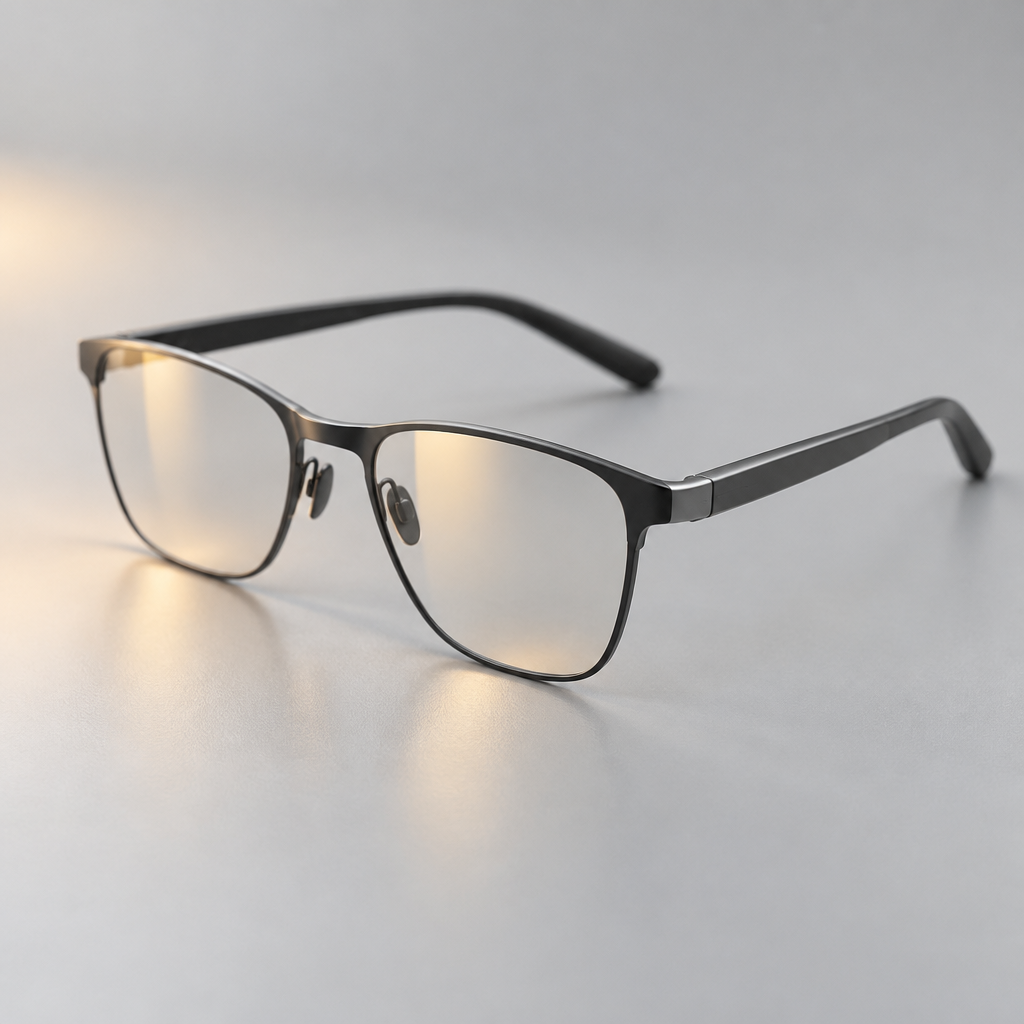
Codenamed N50, the first-generation model will reportedly have no augmented reality display. That's the crucial detail. These are audio-and-AI glasses in the mould of Meta's Ray-Ban line, not the AR goggles Apple has spent a decade rumoured to be building.
What they will do, per Gurman's reporting: take and make calls, handle messages and notifications, give spoken navigation, play music, control smart home devices, translate conversations and signs in real time, and use Visual Intelligence to identify buildings or even suggest meals based on what's in your fridge. The hardware is reportedly close to finalised, including Wi-Fi support and a magnetic charger roughly the size of a Tic Tac. They'll need a recent iPhone paired nearby and, under current plans, won't work with Android at all.
Apple is also said to be testing a customised version of visionOS 28 and a chip derived from older Apple Watch silicon — a sensible choice for something that has to run all day on a battery you wear on your face.
Siri Becomes the Platform
This is the part that makes Apple's approach different. Third-party apps will not run on the glasses. They'll stay on the paired iPhone, and Siri will surface their functions through Apple's App Intents framework. Developers adapt the iOS apps they already have instead of building separate apps for eyewear.
The scenarios Apple has in mind, per the report: booking a ride with Uber or Lyft, reserving a table on OpenTable, ordering coffee from Starbucks, shopping on Amazon, buying movie tickets through Fandango. Each one depends entirely on that developer supporting the relevant Siri action.
Apple is already laying the groundwork. A preview of Siri app integrations shipped with iOS 27.3, third-party integrations are in testing, and App Store submissions for them are expected to open in spring 2027 — a deadline that tells you exactly when Apple needs developers on board.
The Risk: Software Is Behind
Gurman's report is clear that the hardware is further along than the software, and that both the WWDC reveal and the end-of-2027 shipping target could slip. That's the same pattern that has defined Apple's recent AI efforts: ambitious hardware timetables held hostage by Siri's development.
It's also why these glasses matter so much to Apple. If Siri can reliably control a hundred familiar apps, the glasses launch with a library no competitor can match on day one. If it can't, Apple ships an expensive pair of headphones with lenses.
The Competition Isn't Waiting
Apple is arriving late to a market that is filling up fast. Meta's Ray-Ban smart glasses start around $449 and have already established the category with consumers. Google and Samsung opened pre-orders for their first Android XR glasses on 12 November, with Google pursuing the same developer-first strategy through Gemini and Android XR.
Apple's counter-argument is the one it always uses: not first, but better integrated. The glasses will slot into an ecosystem of iPhone, Apple Watch and Apple's own apps — and for the roughly one billion people already carrying an iPhone, that integration is the feature.
What It Means for You
- Don't wait for these if you want smart glasses now. Late 2027 is the optimistic case for shipping, and Apple has missed that kind of deadline before. If you're curious today, the current generation is where to look — a pair of camera and audio smart glasses will do most of what Apple's first model reportedly does.
- If you wear prescription glasses, start thinking about lens costs now. Smart glasses almost always mean custom prescription inserts, and that's an extra spend on top of the device — worth pricing up anti-glare prescription lenses to see what your baseline costs today.
- Watch the Siri rollout, not the hardware leaks. The single best predictor of whether these glasses are good is how many apps support Siri App Intents by spring 2027. That's public information you can track.
The Bottom Line
Apple's first smart glasses look like a carefully hedged bet: familiar hardware, no AR ambitions, and all the differentiation loaded into software that already exists on your iPhone. It's a strategy that could make smart glasses feel normal — or expose how far behind Siri still is. Either way, WWDC 2027 is now the date to circle. And remember: none of this is confirmed by Apple, and dates this far out move.
Some links above are affiliate links, which may earn ZazzyTech a small commission at no extra cost to you. As an Amazon Associate, ZazzyTech earns from qualifying purchases.