📰 This article is based on reporting by Fortune, CNBC, NBC News, The New York Times and Reuters, plus Nvidia's own press release of 23 November 2026. Nvidia's board announced Huang's reinstatement on Monday; the details of the investigation remain contested and are still developing.
In eleven days, Jensen Huang went from the most powerful chief executive in the technology industry to a man who had resigned in disgrace, and back again. On Monday, Nvidia's board reinstated him as president, CEO and board director, effective immediately — a reversal with no real precedent at a company of this size.
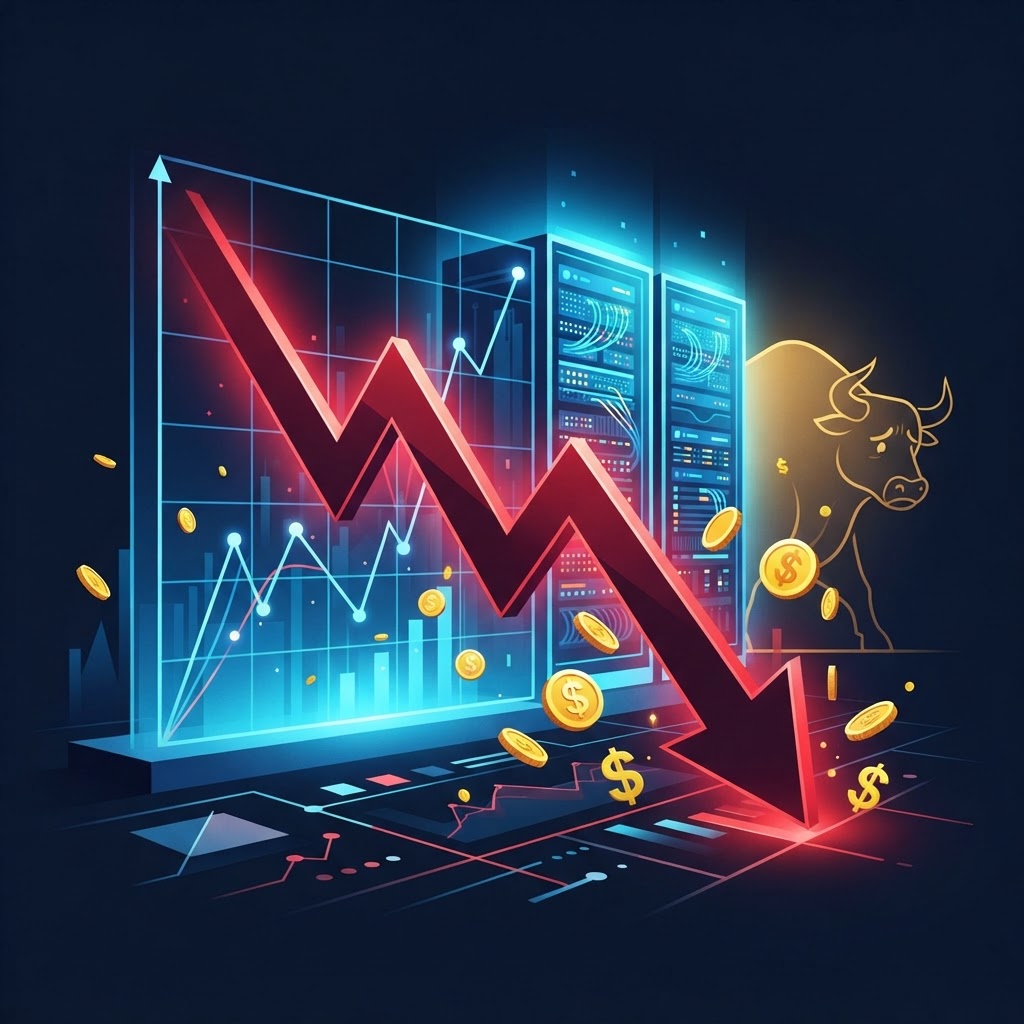
The market's verdict was instant: Nvidia shares jumped about 31 percent. Less than two weeks earlier, the stock had fallen as much as 14.35 percent intraday on the news of his departure, wiping roughly $600 billion off the company's value at the low.
How It Unravelled
The sequence began on 29 October, when The New York Times reported that US intelligence officials had concluded that Alice Huang (no relation), an executive at Singapore-based data centre firm Megaspeed, was passing information to the Chinese government and had a close relationship with Nvidia's CEO. Reporting later detailed that China's Ministry of State Security had recruited her to gather intelligence on Huang and potentially lobby for the sale of advanced chips to China.
On 8 November, Huang publicly admitted to an affair, writing that "there is no excuse for what I did" and pledging to cooperate with a board investigation announced the same day. Three days later, the Times reported a second relationship — with Kimberly Powell, Nvidia's vice president of healthcare, who reported directly to him — which the board treated as a breach of the company's code of conduct. By the morning of 12 November, he was gone.
Chief financial officer Colette Kress became interim CEO and tech entrepreneur Harvey Jones was named Nvidia's first board chair. Reuters reported that Huang had also had an intimate relationship with a second unnamed Nvidia employee, and that he had misled the company's general counsel and chief marketing officer about the relationships.
The Pressure Campaign
What followed is the part that will be studied in business schools. Almost immediately, a comeback effort formed across Silicon Valley, Wall Street and Washington.
An Nvidia employee launched a website with an open letter demanding reinstatement. By Monday it carried more than 206,000 signatures, including Elon Musk, Uber co-founder Travis Kalanick, Shopify's Tobias Lutke, Epic Games' Tim Sweeney and investor Gavin Baker. Musk, speaking at the DealBook summit, compared removing Huang to the Chicago Bulls trading Michael Jordan mid-season. On Monday he posted: "It is done. The mistake has been corrected."
Microsoft's Satya Nadella called Huang "a singular person" who had contributed immensely to the industry. Palmer Luckey argued that getting rid of him only benefited China. And President Trump, who had said he "would certainly not mind seeing that" a week earlier, posted on Truth Social calling for Huang's return and then called the board directly as it deliberated. Trump has said Huang's return poses no national security risk.
The board had resisted. It hired Heidrick & Struggles to run a CEO search and stated publicly that it did not intend to reinstate him. That position lasted six days.
Why the Board Folded
The commercial case was overwhelming, and Nvidia made it for them. Days after the resignation, the company reported quarterly revenue of $115.8 billion, up 103 percent year on year, with Kress insisting the product roadmap was on track. Nvidia had already stopped shipping AI chips to China.
Huang is not a normal CEO. He founded the company, sets its technical direction, and is the single most important commercial relationship in the AI supply chain. As Musk put it, "there's no one that can really replace Jensen. He does the roles of several people."
The risk case was just as clear. Nvidia sits at the centre of a market that has lost confidence in itself. In the same week, the S&P 500 fell 8.6 percent, the Nasdaq about 10 percent and the Dow 8 percent — the Nasdaq's worst week since March 2020. Investors had started treating Huang as a proxy for the entire AI trade. Removing him removed the anchor.
What Hasn't Been Resolved
Reinstatement is not exoneration, and several serious threads remain open:
- The internal investigation, led by independent directors with the law firm Wachtell, Lipton, Rosen & Katz, is ongoing.
- The SEC is reportedly investigating Nvidia, including whether its disclosures misled investors.
- California's attorney general has subpoenaed the company over whether China received chips or confidential information.
- Senators Ron Wyden and Tim Scott and Representative Richard Neal have opened inquiries into the administration's approval of H200 chip sales to China, and Scott has asked Huang to testify.
- The Times has reported allegations of Huang routinely humiliating employees, including threats and settlements. His spokesperson has denied one fired employee's account.
The board has also created a national security and export controls committee chaired by Suzanne Nora Johnson — an admission that oversight of the China question needed to sit somewhere other than the CEO's office.
What It Means for You
- If you own Nvidia shares, understand what you are now holding: a company whose valuation is explicitly tied to one person's continued presence, with live regulatory investigations underneath. That is a different risk profile than it had a month ago.
- If you are buying hardware, the practical picture is unchanged. Nvidia's roadmap is intact and GPU supply remains the constraint rather than leadership. Expect pricing to keep tracking memory costs — worth comparing current Nvidia GeForce graphics cards and RTX gaming laptops against where they sat a few weeks ago.
- If you follow tech governance, this is the story of the year. A board exercised its authority, was overruled by a coalition of a president, a rival billionaire and 206,000 signatures, and reversed itself in six days. Whatever you think of the outcome, that is a remarkable concentration of influence in one executive.
The Bottom Line
Jensen Huang is back, the stock is up 31 percent, and the questions that brought him down are still open. Nvidia has chosen continuity over governance, and the market has rewarded it. Whether that was wisdom or a warning sign will depend on what the SEC, the internal investigation and the California subpoena turn up in the coming months. For now, the most powerful company in technology has confirmed something uncomfortable about itself: it does not really have a plan B.
Some links above are affiliate links, which may earn ZazzyTech a small commission at no extra cost to you. As an Amazon Associate, ZazzyTech earns from qualifying purchases.