📰 This article is based on Reuters reporting published August 19, 2026, corroborated by coverage from Tom’s Hardware. Samsung has not publicly confirmed every commercial detail described by unnamed sources.
Samsung Raises Chip Prices by Up to 15% as the AI Boom Squeezes Supply
The AI boom is now showing up in a place most consumers never see: the price of manufacturing the chips themselves. Samsung Electronics has reportedly raised prices for some advanced contract chipmaking services by up to 15% on new orders, according to Reuters reporting based on people familiar with the matter.
The increase is another sign that the AI infrastructure race is putting pressure on the global semiconductor supply chain. It could eventually affect the cost of AI servers, accelerator cards, and the products built around them — although there is no indication that a 15% foundry increase will translate directly into a 15% increase for shoppers.
Why Samsung Is Raising Prices
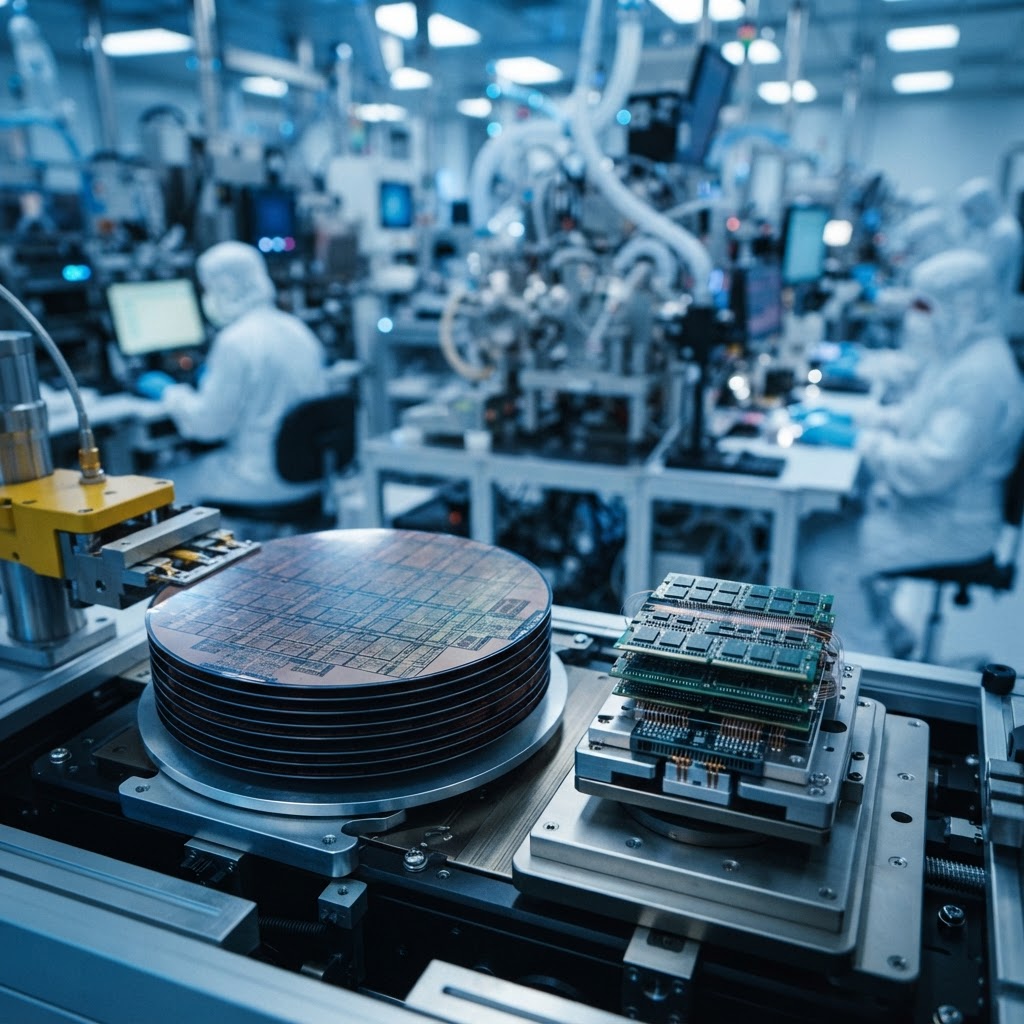
Samsung’s foundry business manufactures chips designed by other companies. Demand for advanced process nodes has surged as cloud providers and AI companies build out data centres packed with specialised processors.
Reuters reported that demand has tightened capacity at Samsung’s advanced lines, with the largest increases reportedly affecting some customers in China. Tom’s Hardware similarly reported that Samsung’s 4nm capacity is being filled by AI-related demand.
The AI Infrastructure Bottleneck
AI models require enormous amounts of computing power. That demand has created bottlenecks across the industry: advanced wafer capacity, high-bandwidth memory, advanced packaging, networking equipment, and data-centre electricity.
A foundry price increase is therefore more than a business headline. It is a market signal that chip manufacturers have greater pricing power because customers are competing for scarce advanced capacity.
Will Phones and Laptops Become More Expensive?
Not necessarily — at least not immediately. Foundry pricing is only one part of a device’s bill of materials, and manufacturers often absorb changes or negotiate long-term contracts. The reported increase also concerns selected advanced contract services and new orders, not every chip Samsung makes.
Over time, however, persistent increases in component and manufacturing costs can influence product pricing. AI features are already encouraging manufacturers to include more capable processors and memory in laptops, phones, and other devices. Supply pressure could make those upgrades more expensive.
What It Means for Nvidia and the Wider Chip Market
Samsung is competing with TSMC and other manufacturers for advanced foundry business. Higher prices may benefit foundries in the short term, but customers could respond by diversifying suppliers, redesigning chips for different manufacturing processes, or delaying less urgent projects.
For AI chip designers, the cost of manufacturing is only one consideration. Access to capacity and the ability to secure a reliable production schedule may matter more than the headline price.
The Bigger Picture
The semiconductor market is being reshaped by a shift from general-purpose computing toward accelerated workloads. AI companies are willing to spend heavily on infrastructure because the performance of their models depends on it, and that willingness is moving pricing power toward the suppliers of scarce hardware.
Consumers may not notice Samsung’s reported increase directly this month. But it is another reminder that the AI race is not happening only in software. It is also a contest for factories, wafers, memory, packaging, energy, and the physical supply chain behind every intelligent service.
The Bottom Line
Samsung’s reported price increase suggests advanced chipmaking capacity remains under significant pressure. It does not guarantee that phones or laptops will suddenly become 15% more expensive, but it does show why AI infrastructure remains costly — and why access to manufacturing capacity is becoming a strategic advantage.
Sources: Reuters, August 19, 2026; Tom’s Hardware, August 2026. We’ll update this article if Samsung confirms or clarifies the reported pricing changes.